



🇮🇷 "7 facts about Iranians in the U.S.," by Pew Research Center. As the conflict in Iran continues, millions of Iranians around the globe will try to take a break this weekend by celebrating Nowruz, the Persian New Year. This includes approximately 750,000 who live in the U.S., such as TLP's Michael Baharaeen and his family. Since the 1980s, Iranian immigrants and their children have become an integral part of America's population. Among their many contributions to the country is their cuisine, which centers on rice, meat kebabs, and flavors like saffron and rosewater. (Michael’s favorite dishes are the stews: ghormeh sabzi, gheymeh, and fesenjoon. The chicken or beef barg kebabs are also excellent.) Pew Research recently published an overview of the Iranian-American population that paints a clearer picture of who they are, where they live, and how they've made their home in America.
📚 “Understanding Iran: seven books that help explain the unrest,” from the Financial Times. Speaking of Iran, the FT put together an excellent list of books on the politics and history of the country’s Islamic regime since the revolution and fall of the Shah in 1979. We haven’t read all of these yet but strongly second their recommendation of Black Wave by Kim Ghattas.
Seamlessly weaving history, geopolitics, and intimate storytelling, Kim Ghattas tells the gripping and largely unexplored story of the rivalry between Saudi Arabia and Iran, a conflict born from the sparks of the 1979 Iranian revolution, fueled by American policy, and that, Ghattas argues, represents the true heart of the Middle East’s bloody turmoil.
With vivid story-telling, extensive historical research, and on-the-ground reporting, Ghattas dispels accepted truths about a region she calls home. Sunni Saudi Arabia and Shia Iran, now mortal enemies, were once allies and twin pillars of US strategy in the Middle East. But all of that changed after 1979. Distorting and deploying religion in a competition that went well beyond geopolitics, each side proceeded to strategically feed intolerance, suppress cultural expression, and encourage sectarian violence from Egypt to Pakistan. This ongoing war for cultural supremacy has led to Iran’s fatwa against author Salman Rushdie, the assassination of countless intellectuals, the birth of groups like Hezbollah in Lebanon, the September 11th terrorist attacks, and the rise of ISIS.
Ghattas introduces us to a riveting cast of characters whose lives were upended by decades of geopolitical drama: from the Pakistani television anchor who defied her country’s dictator, to the Egyptian novelist thrown in jail for indecent writings, to journalist Jamal Khashoggi who was murdered in the Saudi consulate in Istanbul in 2018.
🎶 Uncharted Territory: What Numbers Tell Us about the Biggest Hit Songs and Ourselves, by Chris Dalla Riva. If you love music and you love numbers—and who among us does not?—this is the book for you. Absolutely fascinating analysis that is bound to chime with many of your musical memories.
Popular music history collides with data analytics, charts, and numbers in this insightful and surprising look at the greatest hits and musicians, fads, forgotten artists, and much more. Data analyst and musician Chris Dalla Riva reframes everything you thought you knew about music. Did you know that hit songs in the late 1950s were regularly about gruesome death? That a US vice president wrote a number one hit? That while TikTok has spawned countless hits, it’s made artists more anonymous than ever before? That pop songs have shaped race relations in the United States? That the key change died around 2003? And that’s just the beginning. Coupling hard data with engaging anecdotes, Uncharted Territory is both a takedown and celebration of popular music and provides new ways to think about your favorite songs, genres, and artists from the last 6 decades using unexpected statistics and playful visualizations. This entertaining history is filled with the most popular musicians of all time from The Beatles and The Bee Gees to Michael Jackson, Mariah Carey, and beyond. Whether you danced the twist or the dougie at your senior prom, you’re sure to never listen to music again in the same way.
We still miss the key change!
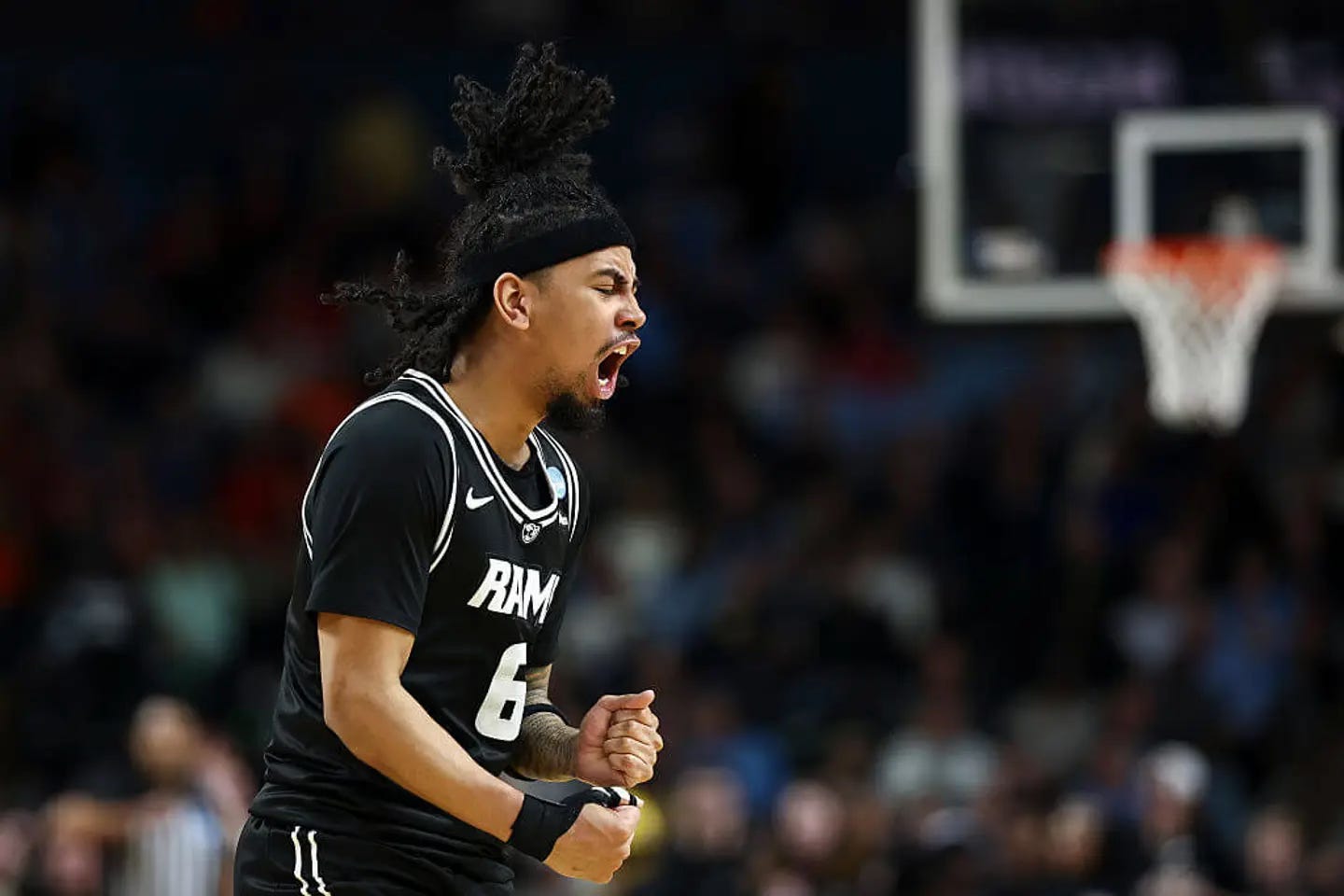
🏀 March Madness, Second Round. The opening two rounds of the annual college hoops supremacy tournament offer some of the most enjoyable sports viewing of the entire year. Wall-to-wall games, upsets galore, and passionate fans all over the country. We have no particular rooting interest, so we’ll go with the underdogs, including High Point, VCU, TCU, Utah State, and Saint Louis, in their big second-round matchups.
All games are on CBS and its various affiliates.
🎼 Vila, by Fabiano do Nascimento & Vittor Santos Orchestra. This record is just a lovely way to usher in springtime, full of gentle guitar melodies and soaring string arrangements:
Hidden away amidst the bustle of Rio de Janeiro’s Catete neighbourhood is a small alleyway behind a cast iron gate. At its end is Bairro Saavedra, the courtyard surrounded by Neo-colonial houses where Brazilian guitar virtuoso Fabiano do Nascimento spent much of his childhood. Built in 1928, this secluded neighbourhood with its wooden shutters, tiled floors and tranquil benches, provides the inspiration for the title of Do Nascimento’s new album Vila, a collaborative project with a sixteen piece orchestra led by trombonist and arranger Vittor Santos.
Recorded between Rio de Janeiro and Los Angeles, Vila is grand, tender, warm, playful and nostalgic. On this stunningly ambitious work, the delicate compositions led by Nascimento's guitar, which sits central in the mix, are surrounded by Santos’ breathtaking orchestral arrangements which swirl in all directions: complimenting, questioning, responding; in constant conversation.
Enjoy this appropriately titled track, “Spring Theme.”
Thanks for these suggestions! I have already reserved Uncharted and added the Vila album to my playlist.
I have enjoyed and learned from Liberal Patriot. Thank you.